
Location, location, location. It’s one of the most familiar phrases in the property market, and for good reason. While you can renovate a kitchen, extend a living room or redecorate an entire house, there’s one thing you simply cannot change: where your property is located.
But what actually makes a location desirable? And how can you tell whether your home is in an area that appeals to potential buyers?
Whether you’re preparing to sell your property in London or considering buying a new home in England, here are five important signs of a good location.
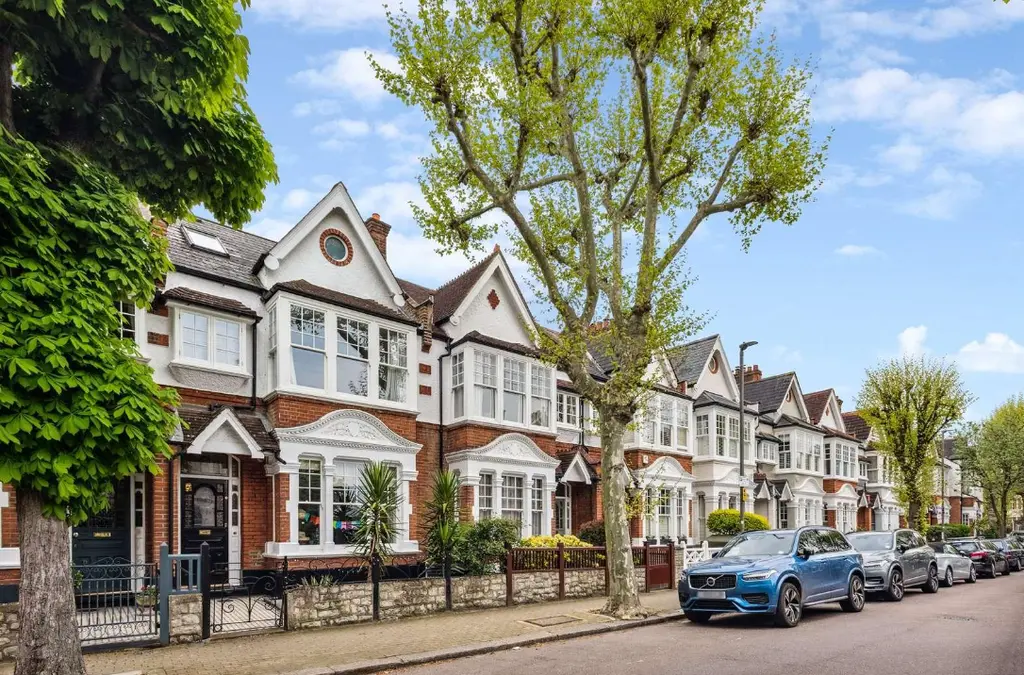
1. Excellent Transport Links and Accessibility
One of the strongest indicators of a desirable property location is convenient access to transport.
For many London buyers, being within walking distance of a Tube station, railway station or reliable bus route is a significant advantage. Easy access to employment centres, schools and essential services can make everyday life considerably more convenient.
Even outside London, proximity to major roads, motorways and railway connections can influence how attractive a property is to potential buyers.
Consider the following:
- How far is the nearest train, Tube or bus station?
- Are there convenient routes to major employment areas?
- Is the property easily accessible by car?
- Are there safe walking and cycling routes nearby?
Top tip: Don’t just measure the distance to the nearest station. Consider the actual journey time, service frequency and reliability. A property with a convenient, dependable commute may appeal more than one that simply looks well-connected on a map.
2. Good Schools and Educational Facilities
For families with children, access to suitable schools can be one of the most important considerations when choosing a home.
Properties located near well-regarded primary and secondary schools may attract additional interest from family buyers, particularly in established residential areas.
In London, school catchment areas and admissions criteria can influence where families choose to live. However, living near a particular school does not automatically guarantee admission.
If you’re assessing your property’s location, consider:
- The availability of local primary and secondary schools
- Ofsted inspection reports
- School admissions policies and catchment arrangements
- Nearby nurseries and childcare facilities
- Safe walking routes to educational facilities
You can research local schools using the official Ofsted website.
Top tip: Even if you don’t have children yourself, nearby educational facilities may be an attractive selling point for future buyers.
3. Shops, Restaurants, Parks and Everyday Amenities
A good location isn’t just about getting from A to B. It’s also about the quality of everyday life.
Many buyers appreciate being able to walk to local shops, supermarkets, cafés, restaurants and green spaces without relying on a car.
Neighbourhoods with a lively high street, independent businesses and convenient everyday services can have considerable lifestyle appeal.
Some of the most desirable local amenities include:
- Supermarkets and independent shops
- Cafés, restaurants and pubs
- Parks, riverside walks and recreational spaces
- Gyms, leisure centres and sports facilities
- GP surgeries, pharmacies and healthcare services
In London, areas such as Richmond, Chiswick and Wimbledon illustrate how access to green spaces, local amenities and established high streets can contribute to neighbourhood appeal.
Top tip: Try exploring your neighbourhood on foot. If essential amenities and enjoyable leisure facilities are within a comfortable walking distance, that’s something worth highlighting when selling your home.
4. A Pleasant, Well-Maintained Neighbourhood
First impressions matter, and they begin long before a potential buyer steps through your front door.
The overall appearance and atmosphere of a neighbourhood can influence how buyers perceive a property.
Well-maintained streets, attractive public spaces, good lighting and a welcoming local environment can all contribute to a positive impression.
Look for signs such as:
- Clean streets and well-maintained public areas
- Attractive buildings and cared-for gardens
- Adequate street lighting
- Accessible parks and community spaces
- A comfortable level of traffic and noise
It’s also worth researching local crime information and visiting the neighbourhood at different times of day.
A peaceful residential street on a Sunday morning may feel quite different during weekday rush hour.
Remember that a desirable neighbourhood doesn’t necessarily have to be expensive or particularly fashionable. What matters is how well it meets the needs of the people who want to live there.
Top tip: Spend some time in the area during both the day and evening. This can give you a more realistic impression of traffic, noise and general neighbourhood activity.
5. Strong Local Property Demand and Future Potential
A good location should ideally offer more than an enjoyable place to live today. It should also have qualities that help it remain attractive to buyers in the future.
One useful indicator is consistent demand for properties in the surrounding area.
If comparable homes regularly attract interest, and local amenities and infrastructure continue to support the neighbourhood, these can be encouraging signs.
However, property prices and demand can fluctuate, so it’s important to look beyond short-term trends.
Consider:
- Recent sold prices for similar properties
- The number of comparable homes currently for sale
- How long local properties remain on the market
- Planned transport or infrastructure improvements
- New developments and local planning proposals
- The overall condition and character of the surrounding neighbourhood
Future developments can be positive, but they should always be investigated carefully. A new transport connection may improve accessibility, while a major construction project could temporarily increase noise or traffic.
Top tip: Research sold property prices rather than relying solely on asking prices. What sellers hope to achieve and what buyers actually pay can be two very different things.
Does a Good Location Guarantee a Higher Property Price?
Not necessarily.
Although location plays an important role in determining property value, several other factors also influence the price a buyer may be willing to pay.
These include the property’s size, layout, condition, energy efficiency, outdoor space and current market conditions.
Two houses on the same street can sell for significantly different amounts depending on their individual characteristics.
Equally, a property in a less fashionable neighbourhood may still attract strong interest if it offers excellent value, generous living space or features that appeal to a particular type of buyer.
The key is understanding both your property’s strengths and the expectations of buyers in your local market.
Thinking of Selling Your Home in London?
If your property benefits from good transport links, attractive surroundings, convenient amenities or strong local demand, these are all features worth communicating to potential buyers.
A successful property listing should do more than describe the number of bedrooms and bathrooms. It should help buyers understand what makes the home — and its location — an appealing place to live.
At The View – Estate Agent London, we believe homeowners should have more choice and flexibility when selling their properties.
Whether you prefer to take control of your own sale or would like professional assistance along the way, our range of property selling plans is designed to offer different levels of support.
Your home. Your sale. Your choice.
Discover a more flexible way to sell your London property at www.theviewlondon.co.uk.